
Emergency Tips: What to Do if You Experience a Cracked Tooth
If you have a cracked or chipped tooth, rinse the area with warm water, avoid chewing food with that tooth, and call your dentist for an emergency appointment. Prompt action can prevent the problem from worsening.
Researchers, during a clinical trial, found that cracked teeth are common in dental practices. Some of the highest risk factors are eating hard foods and sports injuries.
While a crack in the tooth can create alarm, it's important to understand your options and next steps. Read on as we outline what to do if you suspect you have a cracked or chipped tooth.
A Chip or Crack in the Tooth: Common Causes
Few of us worry about the risk of a chipped tooth, but it often surprises people to understand how easily it can happen. Here are some of the most common causes:
- Biting down on hard foods like nuts or candy
- Teeth grinding at night
- Teeth clenching or grinding due to stress
- Sports injury
- Fall or other accident
- Sudden temperature changes, like a very hot or cold drink
It's worth noting that teeth that already have issues like enamel loss or early decay are weaker and more prone to chipping. It's why dental visits are important, as a dentist will be able to deal with the problem right away before you end up with a chip after biting down too hard on ice or a popcorn kernel.
Large fillings can also make you more prone to tooth chips as the remaining tooth structure is weaker.
Signs That Indicate a Chipped Tooth
While big chips on a front tooth might be obvious, not all chips are noticed right away. It's important to watch for signs so that you can get professional help as soon as possible and avoid more severe damage. Here are the most common symptoms of a chipped tooth:
- A sharp pain when biting or chewing
- Sensitivity to very hot or cold drinks and food
- Swelling of the gums
- Tender or sore gums
- Feeling cracks or sharp edges when moving your tongue around your teeth
- Changes to tooth color
It's also worth noting that pain can sometimes feel more generalized. It might not feel isolated to the chipped tooth, which is why many people miss the signs. That's why an urgent dental appointment for any mouth, gum, or tooth pain is crucial, as early diagnosis prevents further, more complex problems.
A small tooth chip weakens the tooth structure and leaves you prone to a bigger and more painful chip.
Urgent Steps After Noticing a Chip
If you notice a chip, don't panic. However, don't ignore it, as quick action will help alleviate pain and minimize further damage to the tooth. Your first step is to book dental emergency care.
While waiting for that consultation, rinse your mouth with warm water. This helps remove debris and keeps the area around the tooth clean. It's also wise to take some over-the-counter medicine for tooth pain relief.
Check for swelling around the area. If the gum feels swollen, use a cold, damp cloth on your cheek to ease any pain and reduce any inflammation.
Avoid eating hard foods for the time being, as you risk worsening the chip. Opt for soft foods like stews and soups.
You can buy dental wax to help protect your tongue and cheeks from any hard edges caused by the chip, if you notice irritation. Dental wax should be softened in your fingers until it is pliable, and then pressed over the crack or chip, smoothing the edges so that it remains in place.
The Risk of Worsening a Chipped Tooth
Once a tooth is chipped or cracked, even if that chip is tiny, it puts the rest of that tooth at risk. That's because the inner part of the tooth may be exposed, and the structure of the tooth has altered.
It's vital to take extra precautions with a chipped tooth, including:
- Avoiding chewing on that tooth or tearing food like bread or meat
- Avoiding sticky food that pulls at the tooth's surface
- Avoiding hot drinks that cause sensitivity in the surrounding area
- Use a mouthguard if you have a habit of grinding your teeth
- Don't touch the chipped tooth with your finger
Above all, don't delay a dental visit. Dentists like our team at Heather E Martinson DDS offer emergency dentistry as part of our services.
When a Chipped Tooth Becomes an Emergency
If you have an upcoming dental appointment and you've noticed a chipped tooth, you might feel tempted to wait until that appointment to get it examined. However, that's not always a wise idea.
Here are some of the scenarios when you need to reach out to your dentist for an emergency appointment:
- Severe pain, especially one not manageable with over-the-counter pain relievers
- Worsening pain
- Bleeding at the gums
- Visible swelling on the face
- A fever, which can be a sign of infection
- A strange taste in your mouth
It's also worth noting that cracks from accidents, falls, or sports injuries should always be treated as emergencies, as there could be further problems from the accident that aren't immediately visible. If in doubt, choose an emergency appointment over a regular one, as it's best to err on the side of caution when it comes to your dental health.
Cracked Tooth Treatment
When you visit a dentist about a cracked or chipped tooth, they'll first examine it to see the extent of the damage, and that will determine the fix.
For some patients with a very small chip, the dentist can use a treatment like dental bonding to smooth and repair the crack and restore the shape of the tooth. This helps protect the tooth from future damage. Larger cracks and chips may require a more extensive solution, like a dental crown. This covers the remainder of the tooth and adds strength, as well as offering an excellent cosmetic fix.
Sometimes, a crack can reach the inner part of the tooth, the pulp. This can lead to more severe pain and the risk of infection. In these circumstances, a dentist might suggest a more comprehensive solution like root canal treatment or a dental implant.
Early assessment is the best way to ensure a prompt fix and avoid more complex problems.
Can a Cracked Tooth Be Fixed?
Don't despair at the sight of a cracked tooth. Though it might feel scary to have part of your tooth missing, dental advances mean there are plenty of options available, even in the most severe circumstances.
Treatments like bonding and crowns restore strength to the tooth and protect it from future damage, and they are also invisible to the average person. With the help of a trusted dentist, you may even forget that you had a crack in that tooth.
FAQ
Should I Worry About a Hairline Crack in My Tooth?
A hairline crack is one that's so fine and surface-level it's almost invisible to the eye, and with these types of cracks, they may not cause pain or sensitivity. However, these cracks have still damaged the enamel, putting your dental health at risk.
The best approach for a hairline crack is to get a dentist to check and monitor it. They can also recommend a preventive treatment, like dental bonding, to protect the tooth.
You can also be mindful of any new symptoms that appear, such as a toothache, tooth discoloration, or bleeding gums, that could be a sign of an underlying problem.
How Can a Dentist Tell If a Tooth Is Cracked?
When you visit a dentist for a consultation, they'll use a combination of checks to see if a tooth is cracked or chipped.
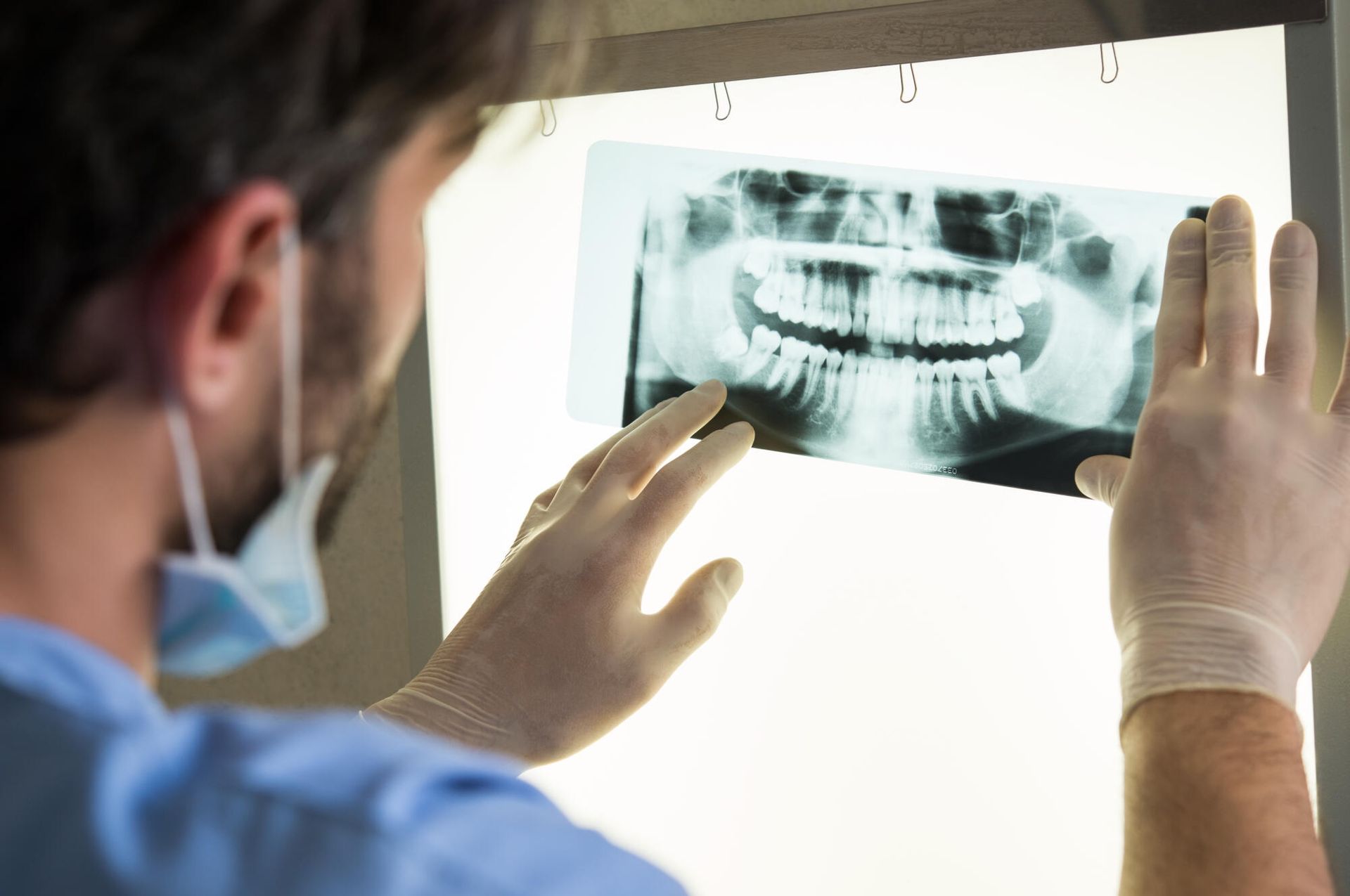
A visual examination is the first check, sometimes with magnification, but they may also suggest a dental X-ray or bite test. During a bite test, you'll bite down on a tool and describe any pain to help the dentist pinpoint the issue.
Sometimes chips and cracks can occur under an existing crown or filling, and after an X-ray, the dentist may remove and replace the crown or filling if a crack is found.
Will a Cracked Tooth Always Need a Crown?
No, a cracked tooth doesn't always need a crown. Minor cracks and chips can be repaired using modern bonding techniques. However, a crown is often the best solution for more significant cracks that significantly affect the tooth's structure.
Getting a dentist to examine the damage is the first step to finding the solution, and they can talk you through your options and the pros and cons.
Dental Emergency Care: Your Trusted Choice in Arlington, TX
If you have a chip or crack in a tooth, don't delay treatment. Even a minor crack needs professional assessment to avoid future issues.
Heather E Martinson, DDS, has 25 years of experience in general and emergency dentistry, and our professional team is here for you, offering comprehensive treatment options and a personalized treatment plan. Reach out to us today for an appointment.

Dr. Heather E. Martinson