
The Role of Digital Smile Design in Modern Smile Makeovers
According to the WHO, more than 3.5 billion people globally suffer from oral diseases. If you have dental problems, you're likely to lose confidence in your smile.
Luckily, modern dental technology has transformed how dentists approach smile makeover services. Gone are the days of guessing what your new smile will look like. Digital smile design enables you to see the results before treatment begins, giving you control.
What Is a Digital Smile Design?
Digital smile design is a cutting-edge treatment planning tool that uses digital technology to create a visual preview of your final smile before any dental work begins. It combines visuals and advanced software to map out your perfect smile with precision. This digital planning process creates a blueprint for your smile transformation. It's like an architect's rendering for your teeth.
Your dentist in Arlington takes multiple images from different angles. These include:
- Close-up photos of your teeth and gums
- Full-face photos showing your natural smile
- Profile shots to assess facial balance
- Videos capturing your smile dynamics
The software overlays digital teeth onto your images. Your dentist adjusts shape, size, and color. Next, you can review the design together and collaborate on changes until you're satisfied with what you see.
This smile analysis removes guesswork and surprises. As per the NIH, 92% of patients who used digital smile design reported higher satisfaction with their final results.
What Is the Technology Behind DSD?
Digital Smile Design (DSD) uses advanced tech to plan perfect smiles with precision. It combines the following:
Digital Imaging Systems
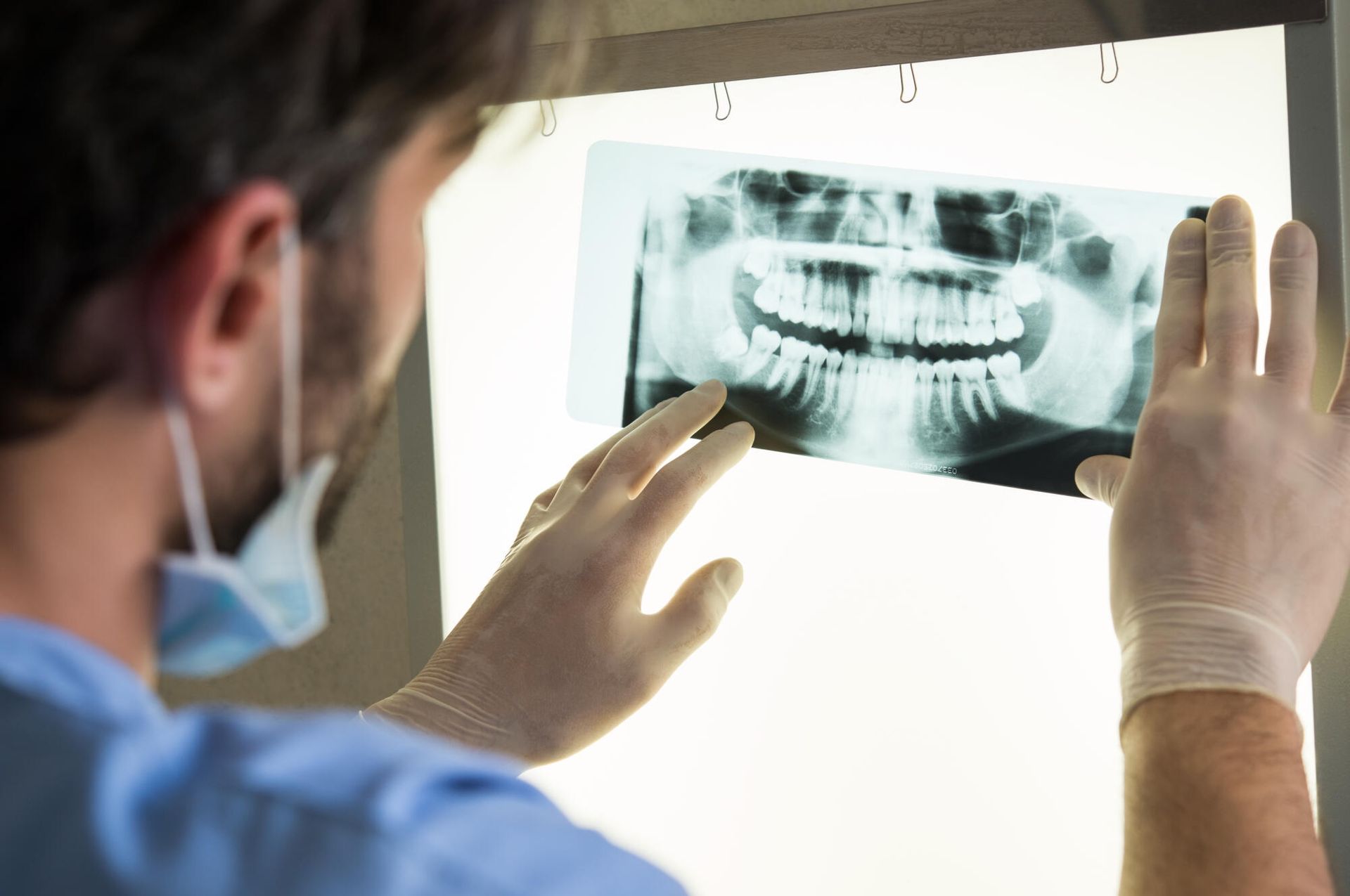
Dentists start by using high-resolution cameras to capture detailed photos and videos. These systems capture your face, teeth, and smile from multiple angles, including front, side, and top.
Smile Planning Software
Special programs, like DSD Suite, analyze images using smart algorithms. Your dentist will tweak tooth shape, size, color, and position in real time. Then the software auto-adjusts for harmony, simulating gum changes too.
3D Scanning Integration
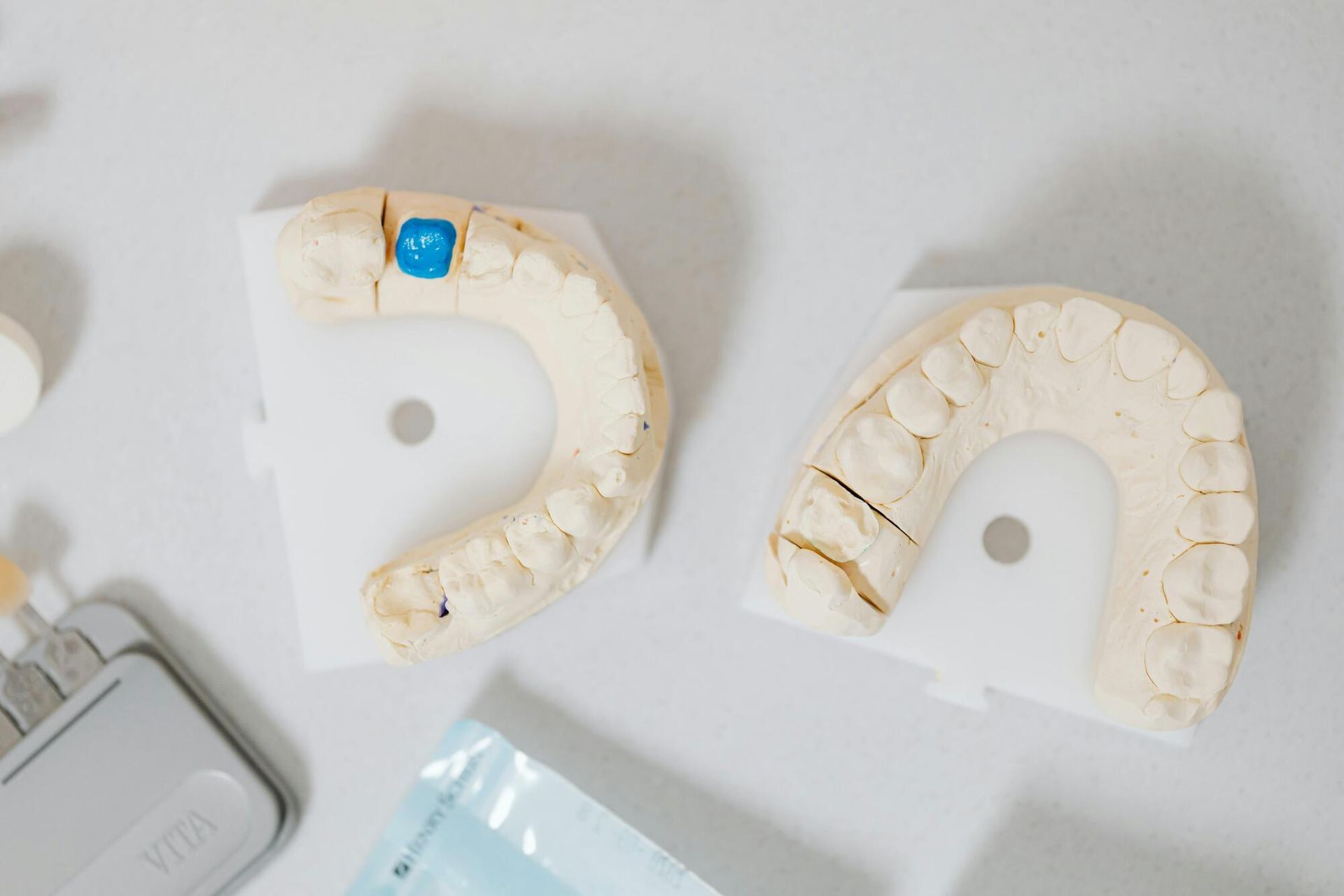
Wand-like intraoral scanners create precise 3D models of teeth and gums. Devices like iTero or 3Shape snap thousands of images per second to create a full digital mouth replica.
CAD/CAM and Manufacturing
Approved designs export to CAD software for 3D modeling. CAM machines mill crowns or veneers from ceramic blocks. This process skips messy impressions, speeding up your treatments.
What Software Is Used for Digital Smile Design?
Several advanced programs power digital smile design technology during a full-mouth reconstruction. The most popular platforms include DSD Suite, Planmeca Romexis, and IvoSmile. Some key features of DSD software include:
- 3D visualization: See your smile from every angle
- Facial analysis tools: Ensure your new smile fits your face naturally
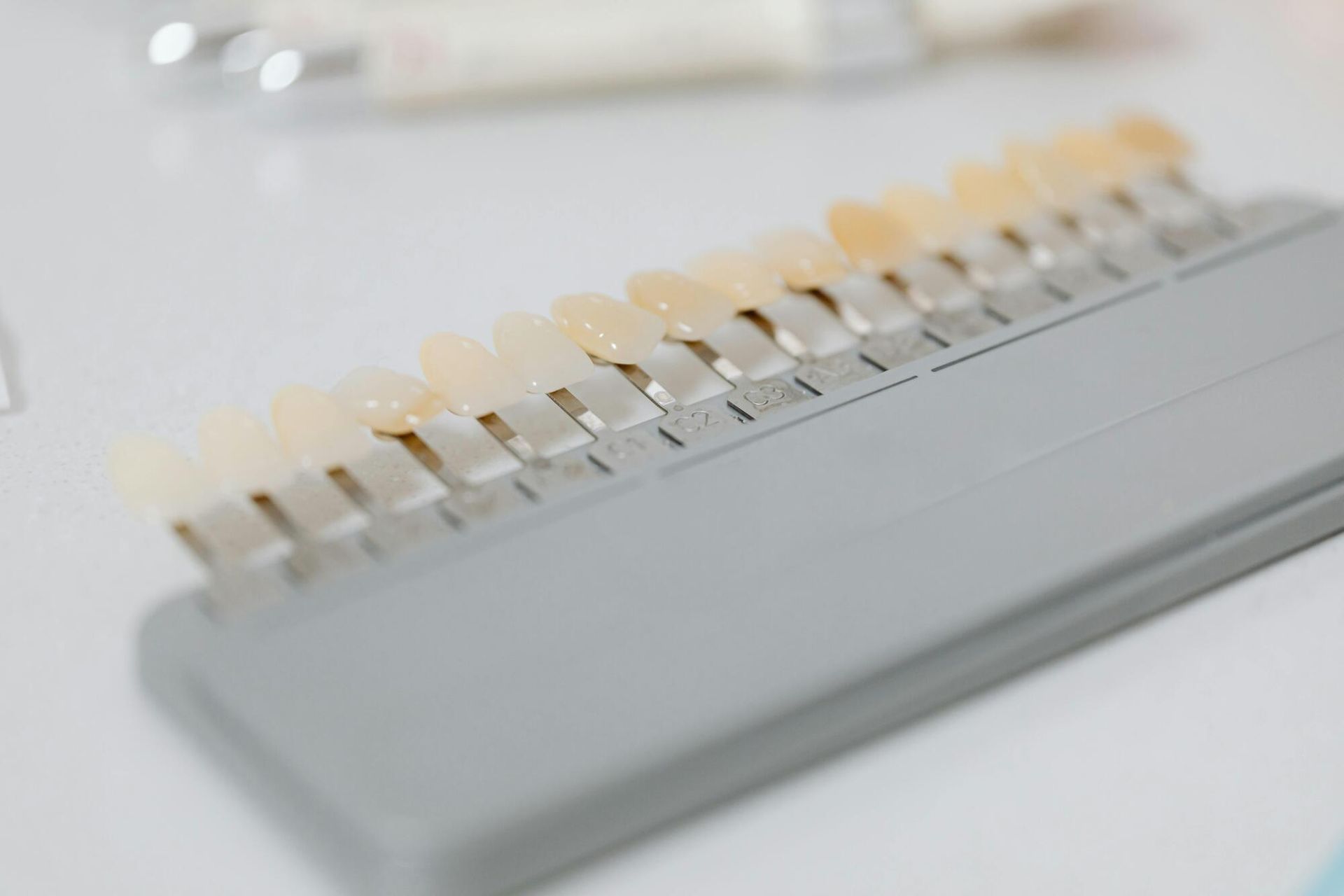
- Color matching: Perfect shade selection for restorations
- Treatment simulation: Preview each step of your transformation
- Communication tools: Share designs with your dental team
These features streamline the entire smile makeover process. Your dentist exports the design to labs and specialists. Since everyone works from the same blueprint, your smile outcome improves.
What Is the Role of Digital Smile Design in Enhancing Aesthetic Dentistry Outcomes?
The DSD revolutionizes how dentists deliver aesthetic dental treatments. It bridges the gap between your expectations and the final result. Here is how:
Eliminates Communication Barriers
Digital smile design transforms how you communicate with your family dentist. Words fail when describing your ideal smile. Terms like "natural" or "bright" mean different things to different people.
Visual communication solves this problem. You see exactly what a whiter or straighter smile looks like for you.
Your dentist shows you options, and you choose what fits you. With clear communication, you can leave satisfied with the smile makeover services your dentist provides.
Improves Treatment Predictability
Digital smile design takes the uncertainty out of cosmetic dentistry. The software accounts for tissue changes over time. As a result, your dentist predicts how your gums will heal after procedures.
Additionally, the predictability helps you avoid unpleasant surprises months after treatment. Your smile looks as good six months later as it did on day one.
The technology also helps prevent over-treatment. Your dentist sees exactly how much tooth structure needs modification. This conservative approach preserves your natural teeth whenever possible.
Enables Comprehensive Smile Analysis
Digital smile design provides a thorough smile analysis that human eyes may miss. The software measures precise distances between facial landmarks. It calculates ideal tooth proportions based on your unique features.
Your dentist evaluates:
- Tooth-to-face proportions: Ensures your teeth suit your facial width
- Smile line assessment: Matches your upper teeth to your lower lip curve
- Midline alignment: Centers your smile with your facial midline
These measurements create harmony between your new smile and natural features. The result looks like you were born with perfect teeth, as nothing appears artificial or out of place.
Facilitates Multi-Disciplinary Collaboration
Complex smile transformations often require multiple specialists. Digital smile design improves coordination among your dental team, including your:
- General dentist
- Orthodontist
- Periodontist
- Lab technician
All of these specialists work from the same digital plan. This collaboration ensures consistent dental results. The digital file transfers seamlessly between providers, so nothing gets lost in translation.
Allows Test-Drive of Your New Smile
Digital smile design lets you experience your new smile before committing to permanent changes. Your dentist creates temporary restorations based on the digital design. From temporary crowns to dental veneers, they develop a digital plan using 3D printing or lab milling.
You can wear these for a few days. This trial period proves invaluable. You see your smile in real-world conditions and test its functionality.
Manages Patient Expectations Realistically
Digital smile design sets realistic expectations for your cosmetic dentistry journey. You understand what's possible for your unique situation. The technology shows limitations as clearly as it shows possibilities.
Your dentist explains why certain changes may not work for you. The visual aids make these explanations clear. As a result, you can make more informed decisions about your smile.
This transparency builds trust between you and your dentist. You know exactly what to expect at each stage.
Enhances Long-Term Results
Digital smile design improves the durability of your aesthetic dental treatments. Precise planning means better-fitting restorations. If you have a better fit, you can expect longer-lasting results.
The technology ensures proper bite alignment. As a result, your new teeth contact correctly when you chew. This situation prevents premature wear and fractures.
Digital records also help future dentists. If you need work years later, your new dentist accesses the original design files. They can replicate or modify your smile while maintaining the original aesthetic vision.
How Does DSD Affect Treatment Costs and Time?
Digital Smile Design (DSD) streamlines your smile makeover. Over time, you get to save money and time compared to traditional methods.
Time Savings
Your dentist captures photos and scans in one visit. The software creates a plan instantly for on-the-spot approval, skipping weeks of lab mock-ups.
Temporary restorations also print quickly for real-world testing. Further, restorations like veneers arrive faster via digital lab files, cutting full timelines from months to weeks.
Cost Reduction
Upfront previews catch issues early. Traditional cases often need costly makeovers. Fortunately, DSD minimizes these surprises.
Digital exports replace manual wax-ups, lowering lab fees. In general, you pay more upfront for precision but save in the long term through predictability.
Insurance appeals strengthen with detailed DSD records for eligible fixes. This solution delivers premium results faster and more affordably.
Frequently Asked Questions
Does DSD Require Surgery?
No, digital smile design itself is a planning tool, not a surgical procedure. It's completely non-invasive. Your dentist uses digital photography and computer software to design your smile.
However, the actual treatments recommended by the DSD process may include surgical procedures like dental implants. The design phase involves no cutting, drilling, or anesthesia.
Is Digital Smile Design Permanent?
Digital smile design is a planning phase, not a permanent treatment. It creates the blueprint for your smile transformation. The permanence depends on the actual cosmetic dentistry procedures you choose.
With proper care, veneers usually last 10-15 years, while dental crowns can last 15-20 years. Teeth whitening requires periodic touch-ups. Your dentist will explain the longevity of each recommended treatment during your consultation.
How Long Do Digital Dentures Last?
Digital dentures are as durable as traditional dentures. They are made from high-quality acrylic that is processed under high temperature and pressure to ensure exceptional strength.
Depending on how well you care for them, they can last 10 to 15 years. Their digital design process ensures a better fit and comfort.
How Do You Clean Digital Dentures?
Clean your digital dentures the same way you would traditional dentures. Remove them daily and rinse under running water to remove food particles. Gently brush them using a soft-bristled brush and a non-abrasive denture cleaner. Don't use regular toothpaste, since it can scratch the surface.
You should also soak dentures overnight in a denture cleaning solution.
Transform Your Smile With Confidence
Digital smile design has changed the game for smile makeover services. You no longer need to imagine your results. You see them before treatment begins.
At Dr Heather Martinson's practice in Arlington, TX, we combine 25 years of clinical excellence with cutting-edge technology to transform your smile. Our CBCT imaging provides 10 times less radiation while delivering superior diagnostic precision. Additionally, our CEREC machine creates same-day restorations with exceptional accuracy.
Contact us today to schedule your consultation and improve your smile.
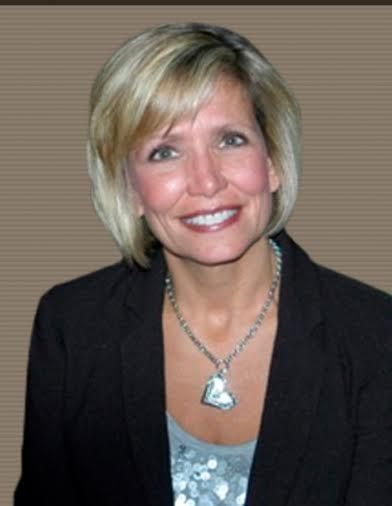
Dr. Heather E. Martinson